
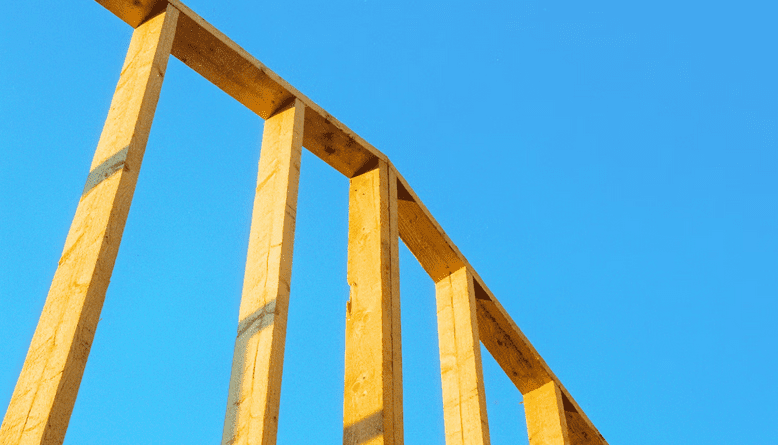
How to Maximize the Benefits of Ecological Constructions
Ecological construction, or green building, is more than just a trend; it’s a commitment to sustainable living and environmental responsibility. These eco-friendly building practices are designed to reduce environmental impact, enhance energy efficiency, and improve occupants’ overall quality of life. However, to truly reap the full benefits of ecological constructions as shared on WESTDEUTSCHE ZEITUNG, it’s essential to understand how to optimize various design elements, material selection, and maintenance elements. This article outlines strategies for maximizing the benefits of ecological constructions, ensuring that your home or building supports sustainability and offers long-term value and comfort.
Prioritize Energy Efficiency

Energy efficiency is one of the most significant advantages of ecological construction, but to maximize its benefits, homeowners and builders need to go beyond basic measures. Start by ensuring the building is well-insulated, with high-performance windows and doors that prevent heat loss in winter and keep interiors cool in summer. Invest in energy-efficient appliances and systems, such as HVAC units with high Seasonal Energy Efficiency Ratio (SEER) ratings and LED lighting. Consider incorporating renewable energy sources like solar panels or wind turbines to reduce energy consumption further. These lower your utility bills and contribute to a smaller carbon footprint. Additionally, smart home technologies can be integrated to monitor and control energy use, allowing you to optimize energy consumption in real time.
Choose the Right Sustainable Materials
The materials you select for an ecological construction project play a crucial role in maximizing its environmental benefits. Opt for sustainable materials that are renewable, recycled, or have low embodied energy. For example, bamboo and cork are fast-growing, renewable resources that make excellent flooring options. Reclaimed wood, recycled steel, and natural stone are other sustainable choices that add durability and aesthetic appeal. When choosing materials, consider their entire life cycle, from production and transportation to installation and disposal. Locally sourced materials are often preferable because they reduce the carbon footprint associated with transportation.
Focus on Water Conservation

Water conservation is a key aspect of ecological construction, and several ways exist to maximize its benefits. Install water-saving fixtures, such as low-flow toilets, faucets, and showerheads, significantly reducing water consumption without sacrificing performance. Implement rainwater harvesting systems to collect and store rainwater for non-potable uses like irrigation and toilet flushing. Greywater recycling systems can also be installed to reuse water from sinks, showers, and laundry for landscaping or other non-potable applications.
Landscaping with native or drought-resistant plants further reduces the need for irrigation, conserving water, and reducing maintenance. By integrating these water conservation strategies, you can significantly reduce your household’s water usage, contributing to the preservation of this vital resource.
Enhance Indoor Environmental Quality
To maximize ecological constructions’ health and comfort benefits, focusing on indoor environmental quality (IEQ) is essential. Start by ensuring proper ventilation throughout the building. Energy-efficient ventilation systems, such as heat recovery ventilators (HRVs), provide a continuous supply of fresh air while retaining indoor temperatures, improving air quality and reducing energy consumption. Natural lighting is another critical component; maximize the use of windows, skylights, and open floor plans to bring in ample daylight, reducing the need for artificial lighting and improving occupant well-being.
Implement Effective Waste Management Practices
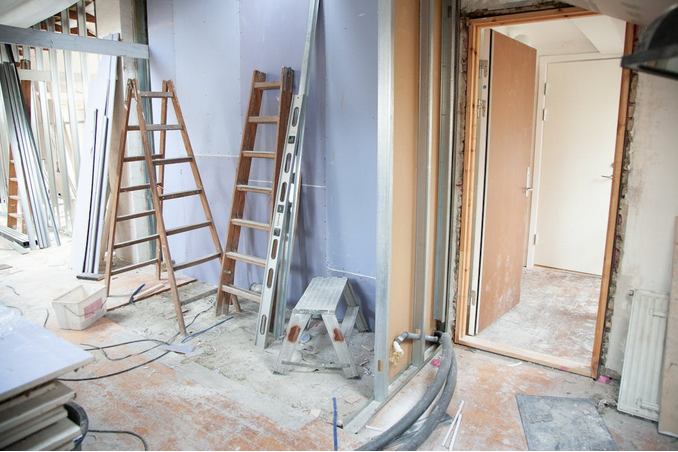
Effective waste management is crucial for maximizing the sustainability of ecological constructions. During construction, aim to reduce waste by using modular or prefabricated components that minimize excess materials. Recycle construction waste, including metal, glass, and wood, whenever possible.
Design for disassembly is another innovative approach. By designing buildings with future disassembly in mind, materials can be easily reused or recycled at the end of the building’s life rather than being sent to a landfill. Throughout the building’s life, prioritize maintenance and repairs using sustainable practices to extend the building’s lifespan and reduce the need for frequent replacements.