
Insulation and Climate Control for Shed Homes: What You Need to Know
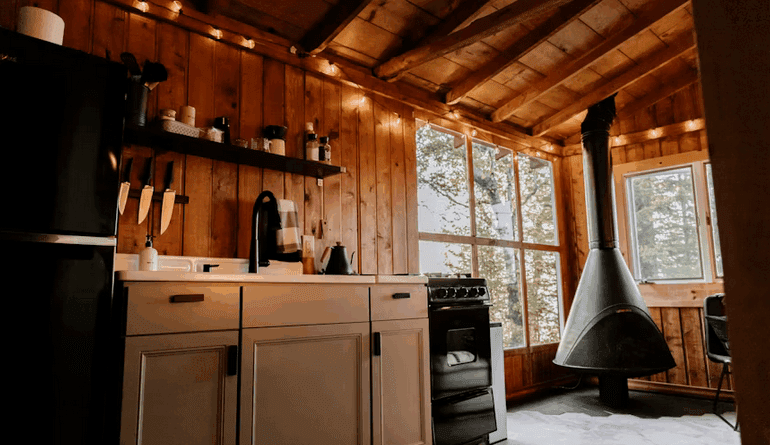
Shed homes are smaller and often built from basic structures, which makes temperature regulation a real challenge. Without proper insulation and climate control, the space can feel freezing in winter and sweltering in summer. Since sheds weren’t built for living, they lacked the natural protections of traditional homes. That’s why addressing insulation and airflow is essential early in the conversion process. You’re not just improving comfort you’re protecting the structure and your health. Many creative tiny home ideas from sheds begin with solving these temperature and airflow issues first.
Understanding How Heat Moves
Heat transfer happens in three ways: conduction, convection, and radiation. A shed with thin walls and no insulation loses heat fast during winter. In the summer, it absorbs outside heat and traps it inside. Air leaks around windows and doors only make it worse. This is where insulation makes a difference. It slows down heat transfer and helps maintain a stable interior temperature. Climate control systems work better and use less energy when paired with proper insulation.
Choosing the Right Insulation
Different insulation types serve different needs. Fiberglass batts are common and affordable. Foam board offers a high insulation value with minimal thickness. Spray foam, while more expensive, provides an air seal and moisture barrier in one step. The choice depends on your budget, local climate, and how much wall space you’re working with. It’s not about finding the fanciest option it’s about what works best for your shed home. Make sure to insulate the walls, floor, and ceiling for full coverage.
Managing Moisture and Ventilation
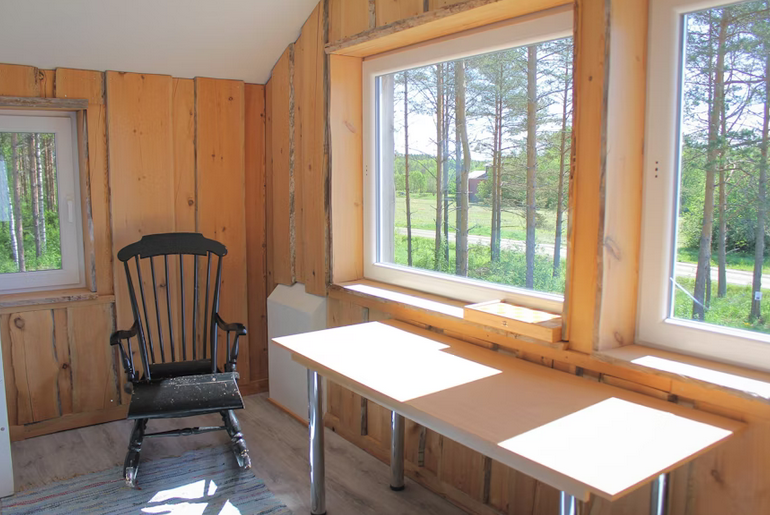
Shed homes are prone to moisture issues if not properly sealed and ventilated. Insulation helps, but ventilation is just as important. Without airflow, humidity builds up, especially in kitchens and bathrooms. That leads to mold, rot, and poor air quality. A combination of vents, fans, and possibly a dehumidifier keeps things dry. Proper ventilation also ensures that heating and cooling systems work efficiently. It’s a balance of trapping warmth when you need it and letting moisture out year-round.
Choosing Heating Options That Fit Small Spaces
Heating a tiny shed home doesn’t take much energy, but the right setup matters. Space heaters are easy to install but can be costly to run long-term. Electric baseboard heaters or radiant floor heating provide more even warmth. In very cold regions, a mini-split system with a heat pump adds both heating and cooling in one. Each option has pros and cons, but the goal remains the same stay warm without overheating the room or inflating your energy bill.
Cooling the Entire Space Without Compromise
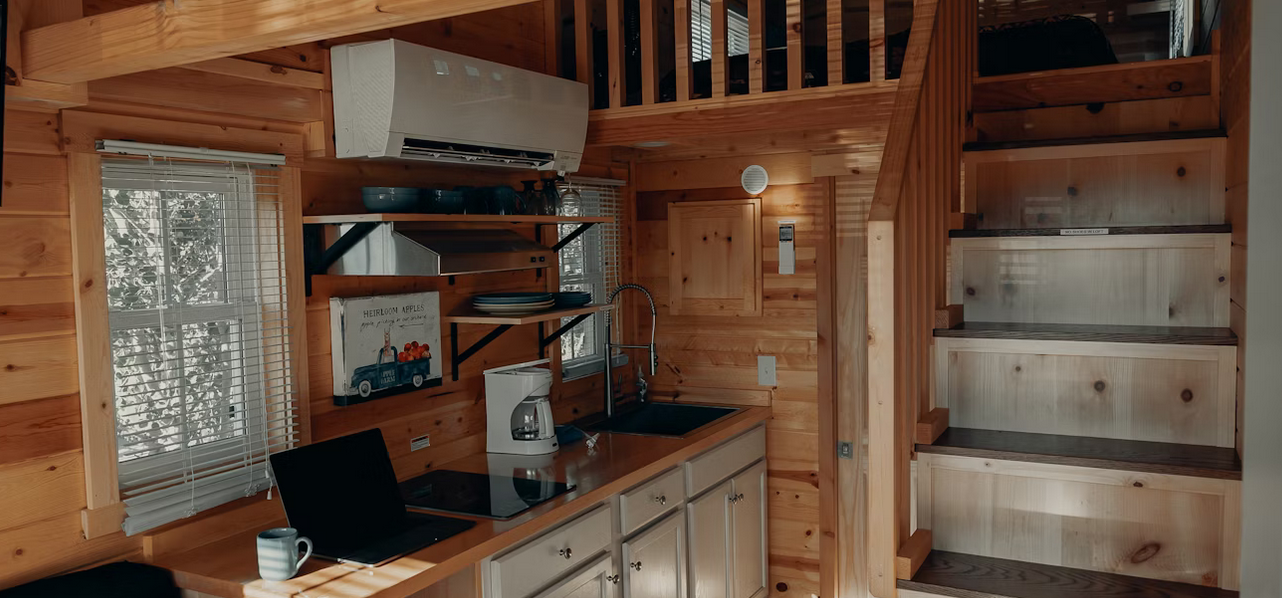
Sheds can heat up quickly during the day. Window units, fans, and mini-splits are common ways to stay cool. Insulation helps prevent rapid heat gain. Light-colored roofing and window treatments reduce sun exposure. Good airflow matters too. Cross ventilation, where windows or vents are placed opposite each other, encourages breeze flow. For hot climates, keeping interior temperatures manageable is one of the biggest factors in making the space livable. Cooling is not a luxury it’s necessary for safety and comfort.
The goal of insulation and climate control is long-term livability. It’s about creating a space that doesn’t rely on constant energy use just to feel comfortable. When done right, insulation holds heat in when it’s cold and keeps it out when it’s hot. Ventilation maintains air quality. Heating and cooling systems fill in the gaps. Together, they form a system that supports healthy, stable living. It may not seem as exciting as furniture or finishes, but it matters just as much. If you want to turn a shed into a home, controlling the climate is one of the utmost priorities.