
Things Many People Don’t Share About Living in a Prefab Home
Today, prefab living is all the rage. These homes are properly built off-site and then assembled on the homeowner’s land, making the building process faster and more efficient. However, like any home, there are pros and cons to living in a prefab home that many people may not be aware of.
Despite being a popular housing option, owning a prefab home comes with a fair share of challenges and unique experiences. Here are some things that many people don’t share about living in a prefab home.
Complicated Permit Approval
Whether you’d like it or not, permits may not be the most exciting part of owning a home, but they are an important one. And when it comes to prefab homes, obtaining the necessary permits can be more complicated than you might expect. Prefab homes often fall into a gray area in terms of building codes and regulations. While some areas have specific guidelines for these types of structures, others may not have clear-cut rules in place. This lack of uniformity can make navigating the permitting process a bit trickier. Read more about it at Proplanta.
In addition to differing regulations, there is also the challenge of finding contractors who are familiar with prefab construction methods. Some municipalities may require that certain aspects of the build be completed by licensed professionals, which means you’ll need to find specialists who understand how to work with prefab components.
Lower Resale Values Compared to Traditional Homes

Moreover, while prefab homes have their advantages, it’s important to be aware of the potential lower resale values compared to traditional homes. One reason for this is the perception that prefab homes are not as durable or long-lasting as traditional homes. Some buyers may be hesitant to invest in a prefab home due to concerns about its structural integrity and longevity.
Another factor that can contribute to lower resale values is the limited customization options available with prefab homes. While they offer efficiency and cost savings during construction, some buyers may prefer the ability to personalize and tailor their homes according to their specific preferences and needs.
High Transportation Costs
Before settling in your property, note that you need to transport all parts from the manufacturer to your property. Transporting a prefab home requires specialized equipment and skilled professionals. The size and weight of these structures necessitate the use of heavy-duty trucks or even cranes for lifting and loading onto trailers. This level of expertise comes at a price that homeowners need to consider when budgeting for their new abode. Long-distance transportation can significantly impact the overall cost. If you’re purchasing a prefab home from another state or even overseas, you’ll need to factor in shipping fees as well as any customs duties or taxes that may apply. These additional expenses can quickly inflate your budget.
Weathering Concerns
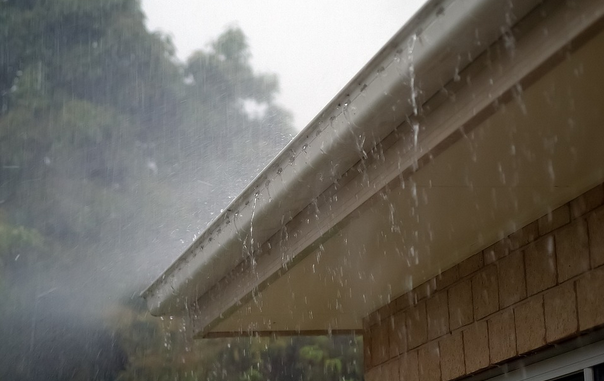
It’s also true that living in a prefab home can have its advantages. But it’s important to consider the potential weathering concerns that come along with it. While these homes are designed to withstand various weather conditions, there are still factors to keep in mind. One major concern is the durability of the materials used in prefab construction. Some people worry that these homes may not hold up as well against harsh weather elements compared to traditional stick-built houses. However, advancements in technology and building techniques have made modern prefabs more resilient than ever before.
Additionally, heavy rainfall or high wind speeds could pose a risk if proper precautions aren’t taken during installation. Ensuring secure foundations and properly sealed joints will help protect against leaks or structural damage.