

What Homeowners Can Learn From the Design Philosophy of Women in Architecture
A beautiful home is about much more than attractive finishes or eye-catching décor. The best homes are the ones that make everyday life feel easier, more comfortable, and more enjoyable. While style always plays a role, thoughtful design has a much greater impact on how people experience their living spaces over time. Many of these ideas are becoming more visible thanks to the growing influence of women in architecture. Their approach often focuses on understanding the people who will actually live in a home, creating spaces that support daily routines, encourage connection, and promote well-being. Homeowners can apply many of these principles, regardless of the size or age of their home.
Great Homes Begin With Understanding the People Who Live There
Instead of asking only how a home should look, many women in architecture begin by asking how it should feel. The ideas shared in https://www.fuersie.de/lifestyle/wohnen-mit-seele-wie-architektinnen-unsere-lebensraeume-neu-erfinden-19823.html highlight how thoughtful planning starts with listening to the needs, habits, and goals of the people who will use the space every day. This people-first mindset encourages homeowners to design rooms that truly support their lifestyle instead of simply following popular trends.
Everyday Comfort Should Always Come First
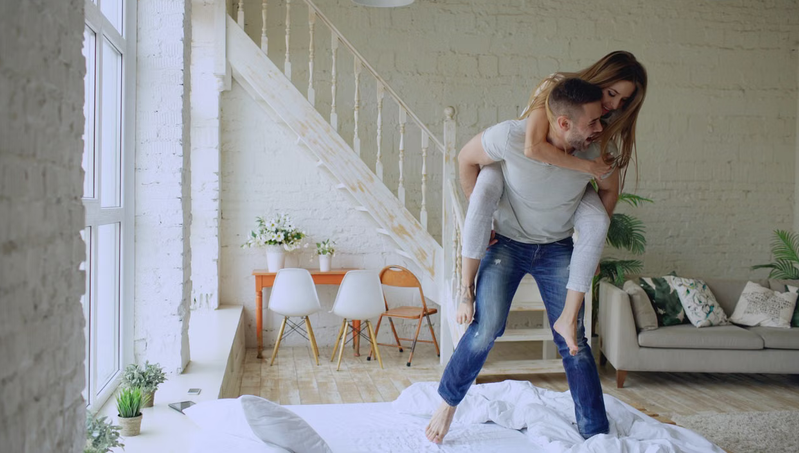
Comfort is one of the most valuable features a home can offer. Natural light, comfortable gathering areas, and practical layouts all contribute to a more enjoyable living environment. Rather than filling every room with decorative elements, homeowners can focus on creating spaces that feel inviting and easy to use. Simple adjustments such as improving furniture placement, reducing clutter, or allowing more daylight into a room can make a noticeable difference. A comfortable home often feels more luxurious than one filled with expensive upgrades that serve little practical purpose.
Thoughtful Designs Encourage Stronger Family Connections
A well-designed home makes it easier for people to spend quality time together. Open kitchens, welcoming living rooms, and flexible shared spaces encourage conversation and create opportunities for everyday moments that strengthen relationships. At the same time, every household benefits from quiet spaces where family members can relax, read, or work without distractions. Finding the right balance between social and private areas helps create a home that supports everyone.
Small Details Can Have a Big Impact
One lesson homeowners can learn from women in architecture is that every design decision matters. The placement of windows, the flow between rooms, the choice of materials, and even the location of storage all influence how comfortable a home feels. These details may seem small on their own, but together they shape the overall experience of living in a space. Paying attention to these elements often creates lasting improvements without requiring major renovations.
Flexible Spaces Support Changing Lifestyles
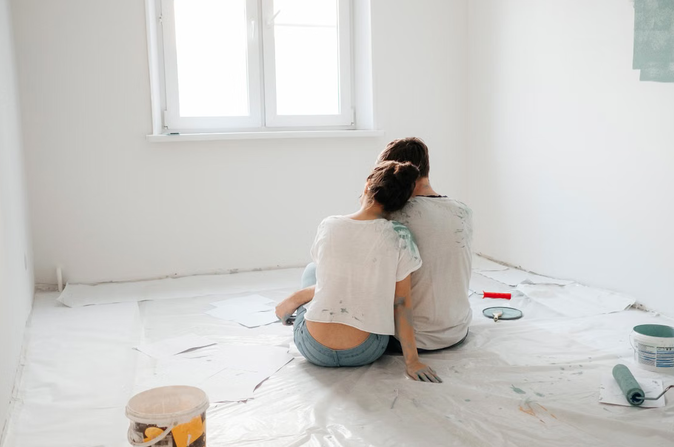
Life rarely stays the same. Families grow, careers change, and new hobbies emerge over time. Homes that can adapt to these changes often remain practical for much longer. A guest room can become a home office, while a quiet corner can serve as a reading space or study area. Women in architecture often embrace flexibility because it allows homes to evolve alongside the people who live in them. Homeowners who think ahead can create spaces that continue to meet their needs for years.
A Home Should Reflect Well-Being, Not Just Style
Design trends come and go, but a home that promotes well-being never goes out of fashion. Choosing calming colors, using natural materials, improving indoor air quality, and maintaining an organized layout all contribute to a healthier living environment. When homeowners prioritize how a space supports everyday life instead of simply how it appears, they often create homes that remain enjoyable long after popular styles have changed.
The design philosophy of women in architecture offers valuable lessons for anyone looking to create a better home. By focusing on people, comfort, flexibility, and thoughtful planning, homeowners can build spaces that support everyday living while remaining welcoming for years to come. Great design is not about making the biggest impression. It is about creating a home that genuinely improves the lives of the people inside it.